

Louisiana Stargazing
Best Stargazing Locations in Louisiana
The first thing you’ll want to do is scope out darker skies. Check out this dark sky map and. The best public land location I would recommend is Kisatchie National Forest. There’s a ton of public campgrounds in dark sky zones, making it easy to plan a stargazing trip.
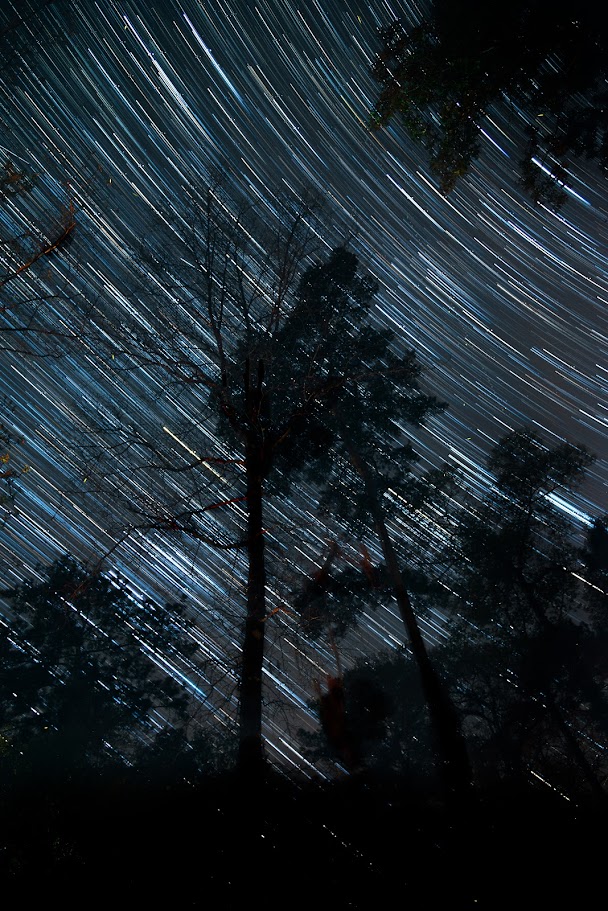
#1 Kisatchie National Forest
Low light pollution. Great public access. Plenty of options.
Kisatchie has the best combination of low-light and public availability. Anyone can take a trip to a campground on a calm night and watch the night sky.
Some great campgrounds include Kincaid Reservoir Campground, Indian Creek Campground, and Moonscape Overlook.
#2 Pecan Island
Exceptionally low light pollution. Other outdoor activities. Higher air density.
You can’t get further from the city than Pecan Island. The only downside is the high air density due to the proximity to the coast.
Many Louisianians also enjoy Pecan Island for hunting, fishing, camping, and the outdoors.
#3 Poverty Point World Heritage Site
Designated dark sky area.
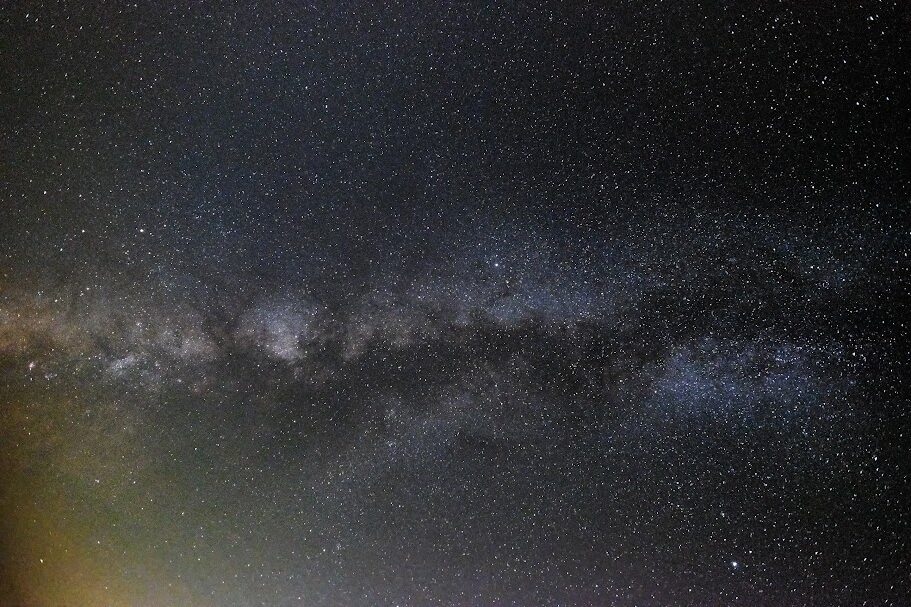
Has some of the darkest skies in Louisiana, and doubles as a site for some incredible Native American history.
Top Stargazing Factors
These are the top factors to consider when planning for stargazing:
- Thinner air. Less precipitation and higher altitudes have thinner air which means there’s less between you and the sky. This means Fall and Winter are naturally a bit better for stargazing.
- Low light pollution. Look at a light pollution map and pick the best spot with the least light pollution.
- Avoid the moon! You want as little moonlight as possible interfering with your sky. So wait for either a new moon or a night when the moon is below the horizon.
- Let your eyes adjust to the dark. Our eyes take between 15 and 30 minutes to fully adjust to the dark sky. This makes a huge difference and you will see far more stars as time goes on. One glance at a campfire or phone screen will ruin your night eye adjustment. No campfires or flashlights. Put your phone on red light mode and rarely use it. Find a star map app that has red light mode to help you navigate the sky.
Best Times of the year
Summer
Milky Way Season, but less ideal weather.
Night Sights
Milky Way center
Rivers of stars
Best Milky Way views
Air Quality
Higher interference
High humidity
Comfort
Hot nights
Bugs and critters
Good time for a cabin
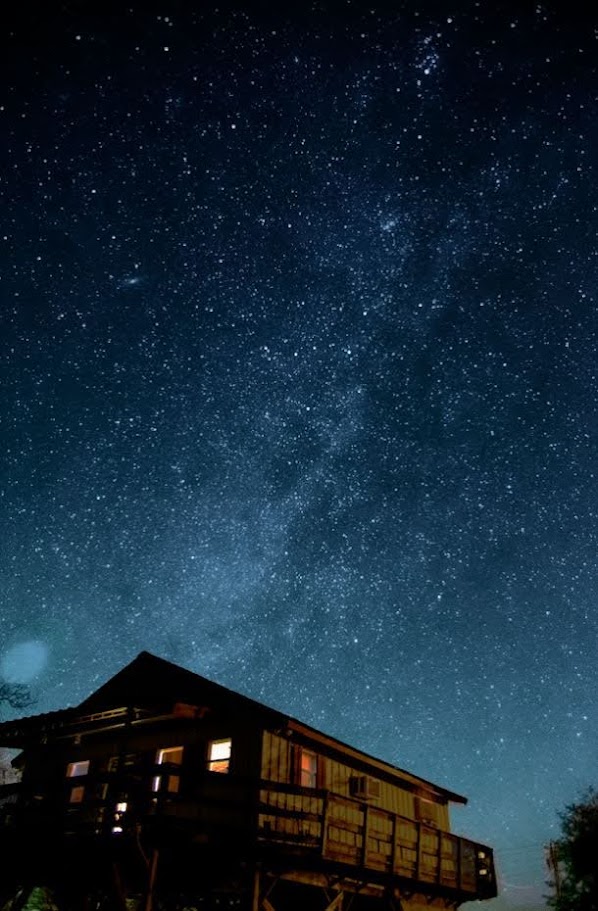
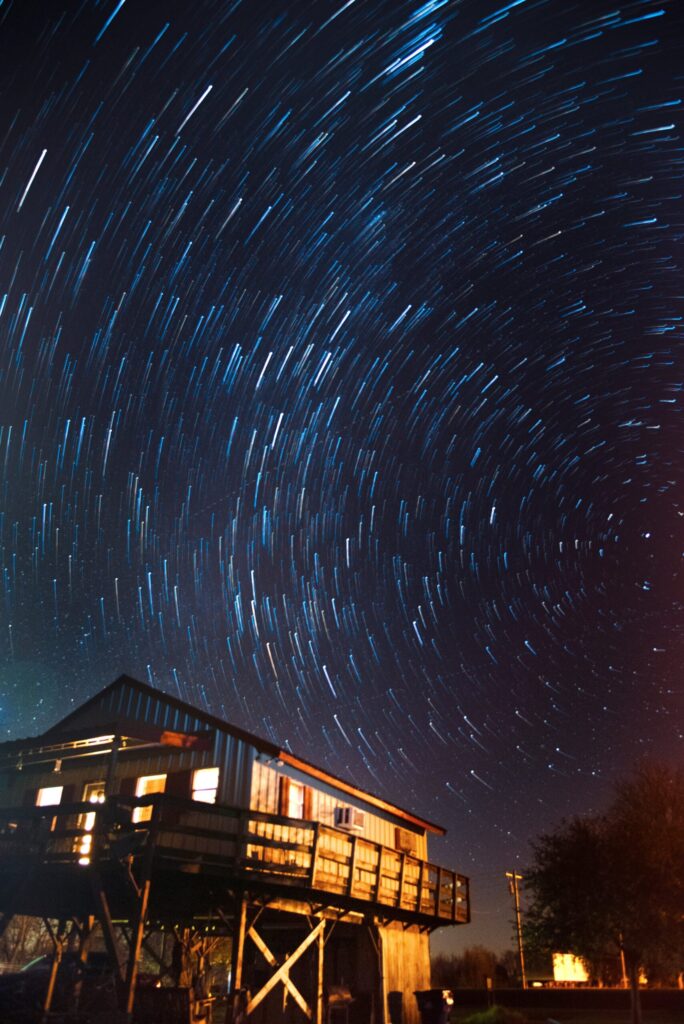
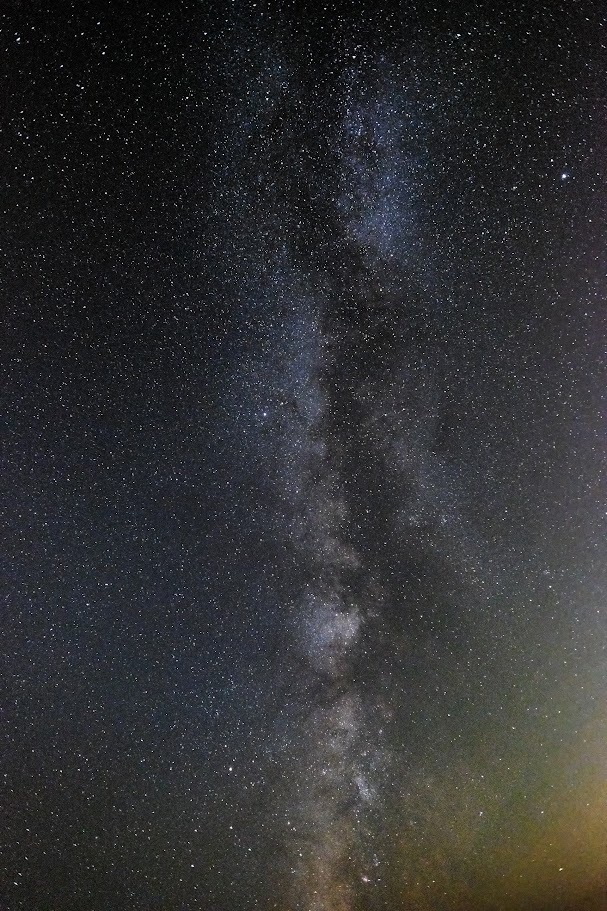
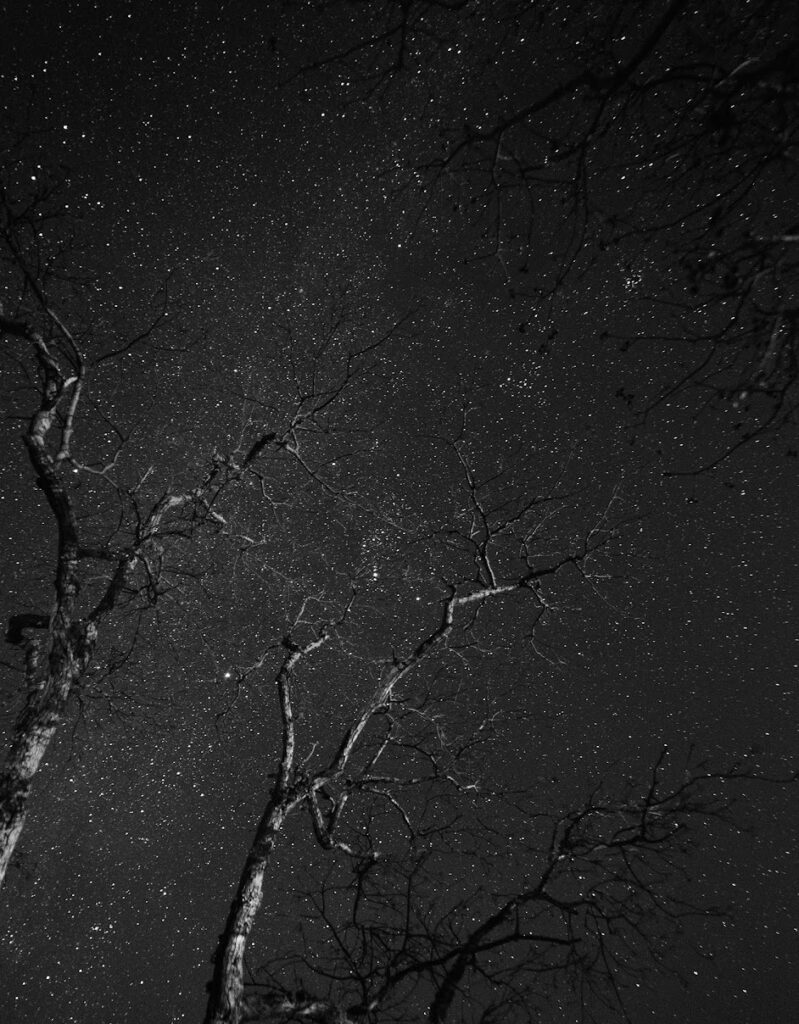
If you’re trying to get a picture with a ton of stars flowing through the Milky Way clouds, summertime is the best time to do it. The summer night sky is facing the center of the Milky Way which has the most stars and dramatic views. The only downsides are the mosquitos, heat, and thicker air.
Fall
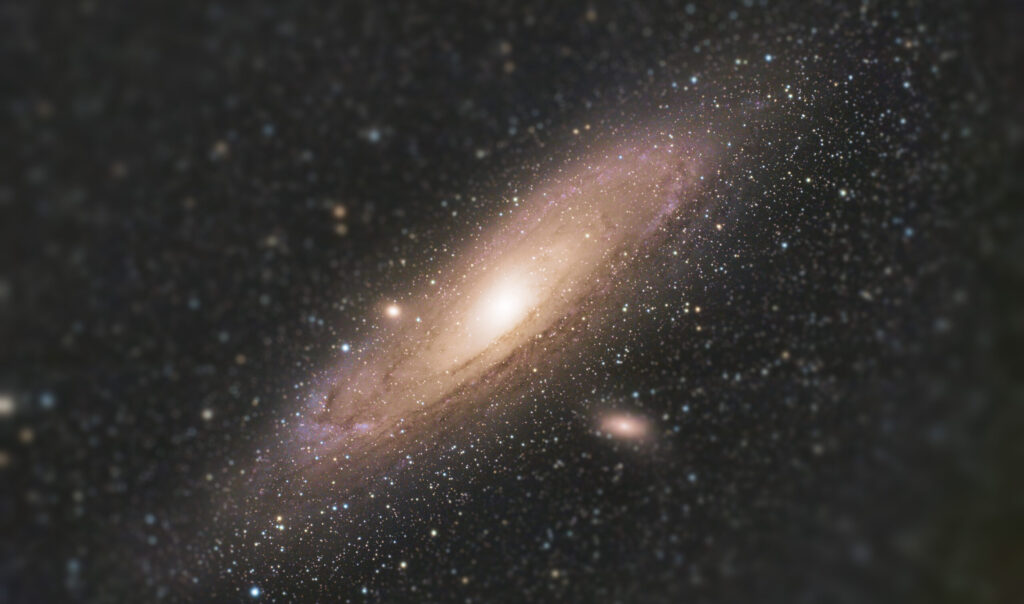
Best overall. Perfect time to see Andromeda. Comfortable weather.
Night Sights
Andromeda Galaxy
Some Milky Way clouds
Air Quality
Very clear
Low humidity
Aim for cold fronts
Comfort
Very comfortable
No bugs or snakes!
Perfect for camping
Winter
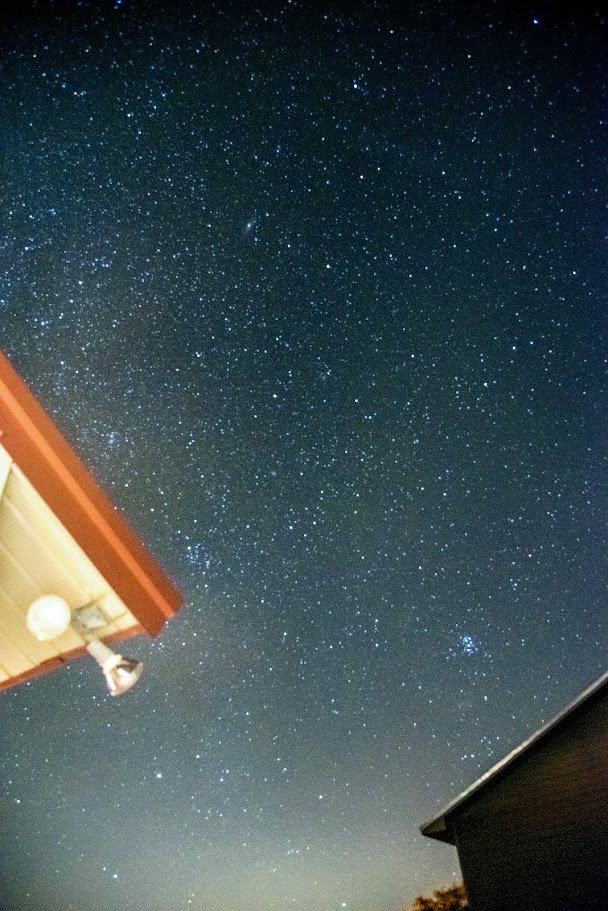
Clearest air for minimal distortion. Dress warm.
Night Sights
Orion Nebula
Pleiades Cluster
Andromeda Galaxy
Air Quality
Extremely clear
Very low humidity
Aim for cold fronts
Comfort
Very cold
No bugs or snakes!
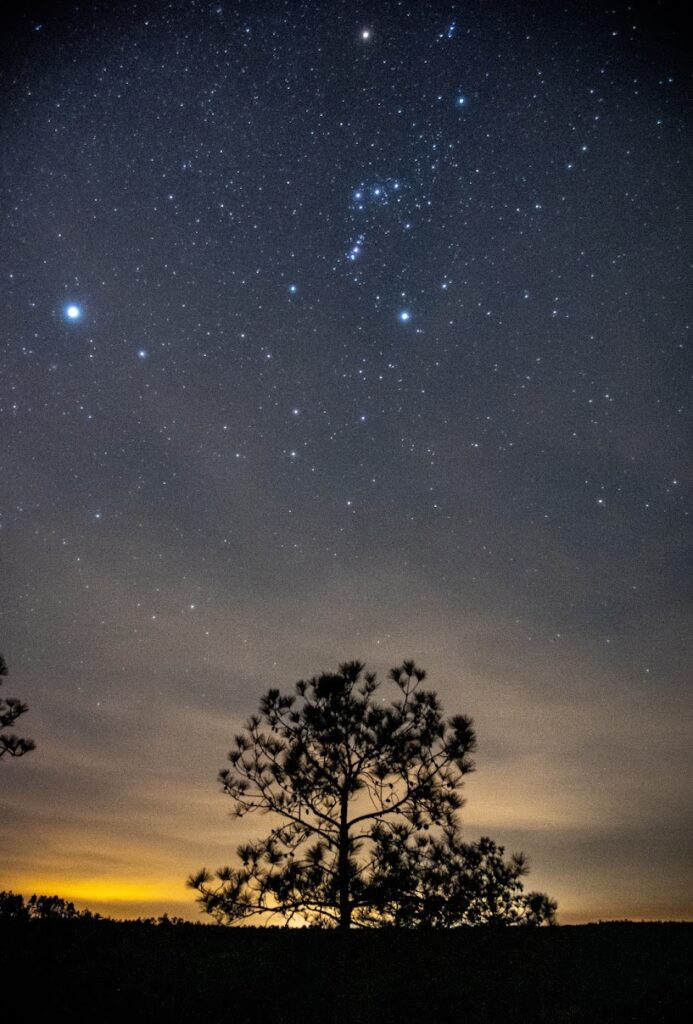
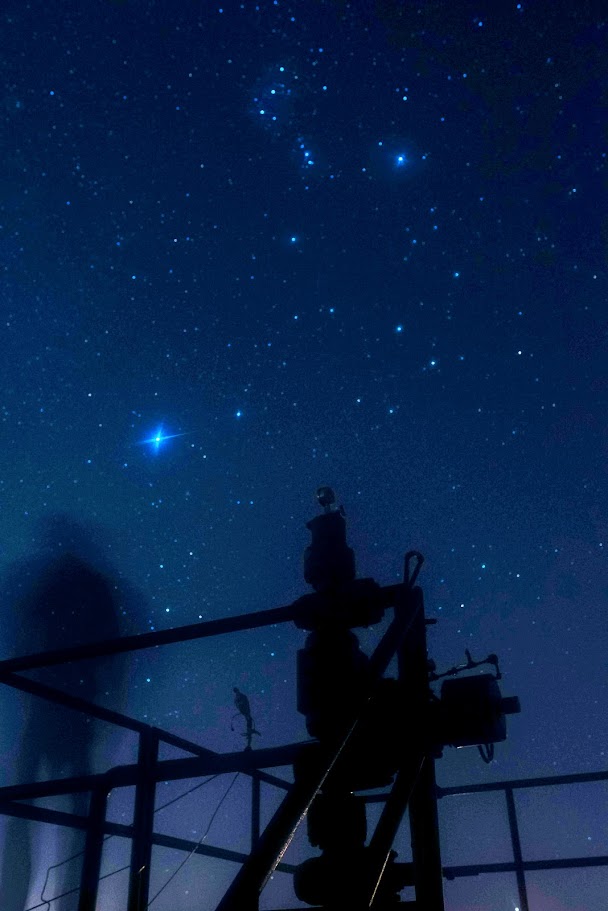
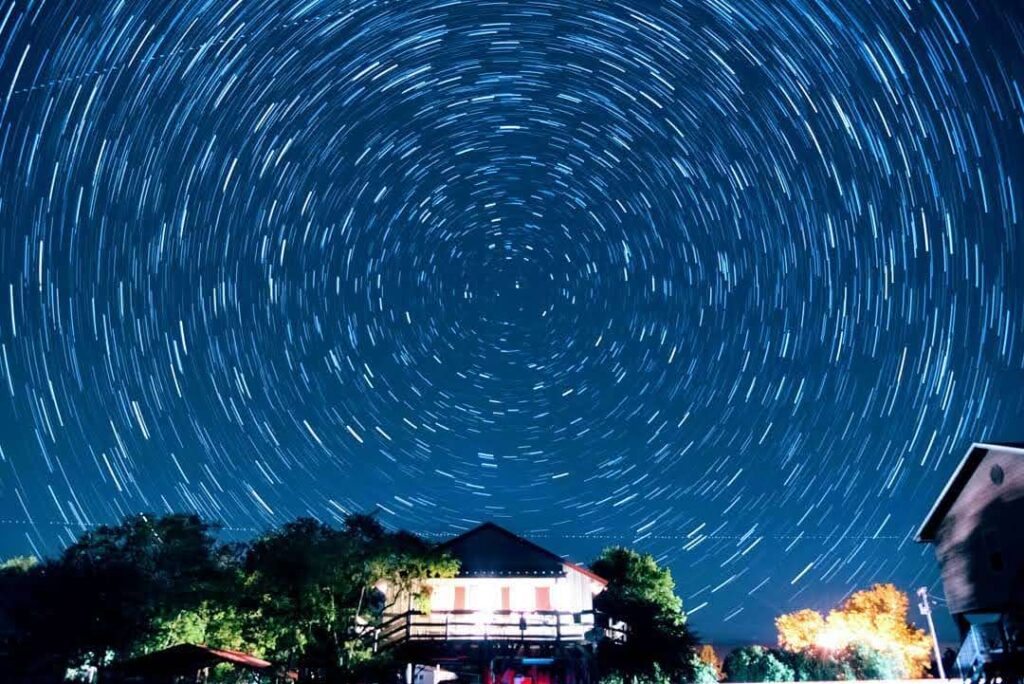
Great views of bright constellations like Orion and star clusters like Pleiades. If you can manage, cold fronts provide excellent clarity. This season technically has the fewest number of stars in the night sky, but Winter offers the clearest viewing of Louisiana’s night sky.
Spring
More visible galaxies and Milky Way views. More unstable weather.
Night Sights
More galaxies visible
Decent Milky Way views
Air Quality
More weather interference
High humidity
Comfort
Hot nights
Bugs and critters
More unstable weather
Pack List
- Binoculars, telescope, and/or camera.
- Red light headlamp.
- Red light screen app.
- Bug spray.
- Chairs.
Camera Equipment
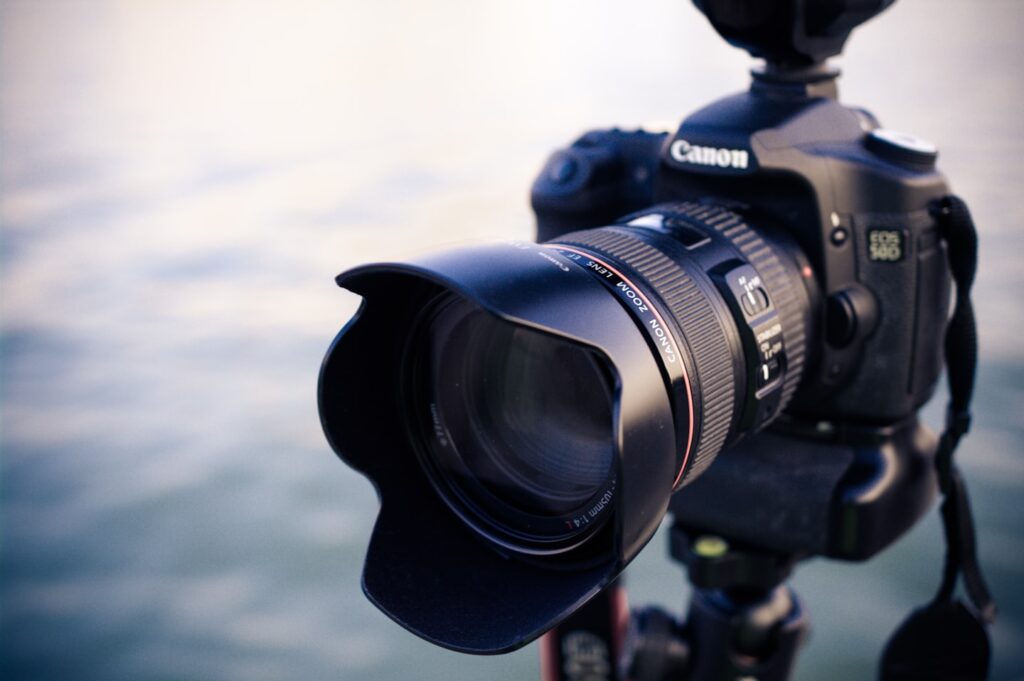
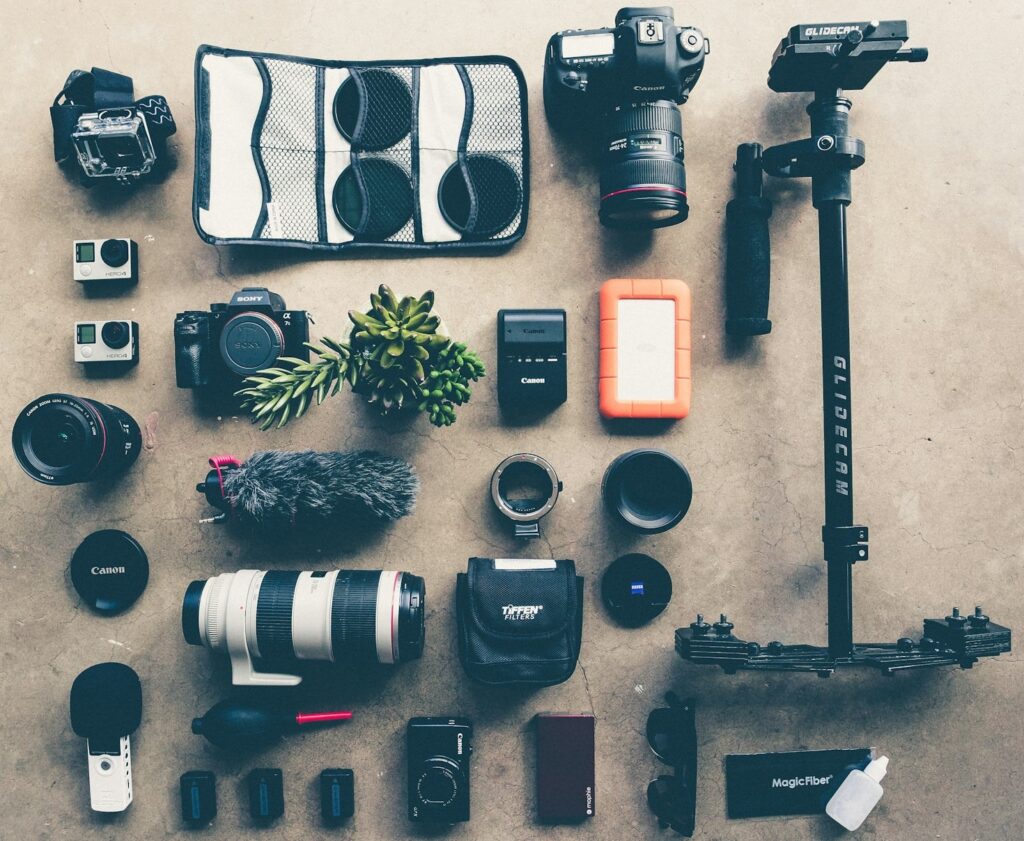
- A tripod is necessary for any decent night sky photo.
- Wide angle lenses are great for wide field shots.
- Zoom lenses are good for deep sky objects. Best performance with lower f-stop lenses.
- Full frame cameras have better low light performance.
- Red light headlamps help you see your camera settings without ruining your night vision.
Thoughts to Ponder.
Stargazing is one of the most amazing meditations for people who like to think about philosophy, meaning, and the cosmos. Here’s some thoughts to consider while stargazing.
Scale of the Known Universe
Our Solar System is comprised of one star, the sun. Our galaxy the Milky Way has over 200,000,000,000 (200 billion) stars including our sun. Outside of our galaxy, our nearest neighbor is the Andromeda Galaxy with over 400 billion stars. In the Observable Universe (only that which we can see), there are trillions of galaxies.
If you traveled to the nearest star Alpha Centauri as fast as humanly possible, it would take you 7,000 years to arrive. Traveling at the fastest speed achieved by humans which is 430,000 miles per hour (Parker Solar Probe), it would take you about 7,000 years to travel the 25 trillion miles to Alpha Centauri. This is only 4 light years away. The Milky Way galaxy is estimated to be about 150,000 light years across.
The Andromeda Galaxy is 2.5 million light years away. When you look at the Andromeda Galaxy, it took 2.5 million years for that light to reach your eye. You’re seeing what the Andromeda Galaxy looked like when our ancestors started to resemble the modern human species.
The Andromeda Galaxy is both the largest and furthest thing you can see with your eyes. By far. Once you see it, you’ve set that record for life.
Astronomical Odds
Even considering the most modest calculations of the Drake Equation, we are almost certainly not alone in the universe. Saying “Earth is one in a million” is like saying “There are 40,000,000 Earths in the Milky Way galaxy alone.”
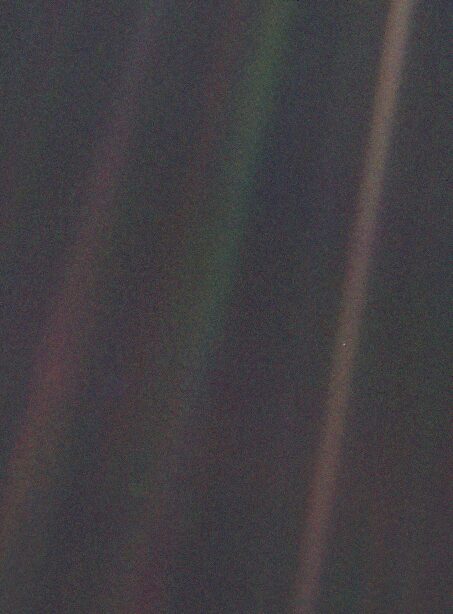
“If we’re not alone, why don’t we see them when we look up?” Take a look at this photo. That’s Earth from the Voyager probe as it left our Solar System. Do you see any signs of life? Any buildings? Technology? That’s what we look like to anyone else out there. On a cosmic scale, we don’t make ripples. The same can be assumed about everyone else.
“Science literacy is the artery through which the solutions of tomorrow’s problems flow.”
Neil deGrasse Tyson